
First Pecan Meeting Between Argentina and South Africa

The Argentine pecan delegation and SAPPA members at PekanHoek. (Photo courtesy of Cluster del Pecán)
The delegation consisted of 10 members of the Cluster, including its General Manager, Nadia Venticinque, and its President, Joaquin Torassa, growers of different scales, a representative from a shelling plant, exporters who together represent three-fourths of Argentine pecan exports, and a technical advisor. The Director of Economic International Relations of the Entre Ríos Government, Cynthia Cabrol, accompanied the commission.
Over the course of a week, starting on July 15, the Argentine group embarked on an intensive agenda organized along with SAPPA. The tour began by visiting the University of Pretoria, where they met with pecan researchers Dr. Nicky Taylor and Dr. Angelique Kritzinger, who are studying water usage and pollination and crop retention respectively. Following this, they proceeded to the Department of Trade, Industry, and Competition (DTIC), a government body crucial to economic development and global trade engagement. The meeting with DTIC officials included the presence of the Argentine Ambassador to South Africa, Claudio Pérez Paladino.
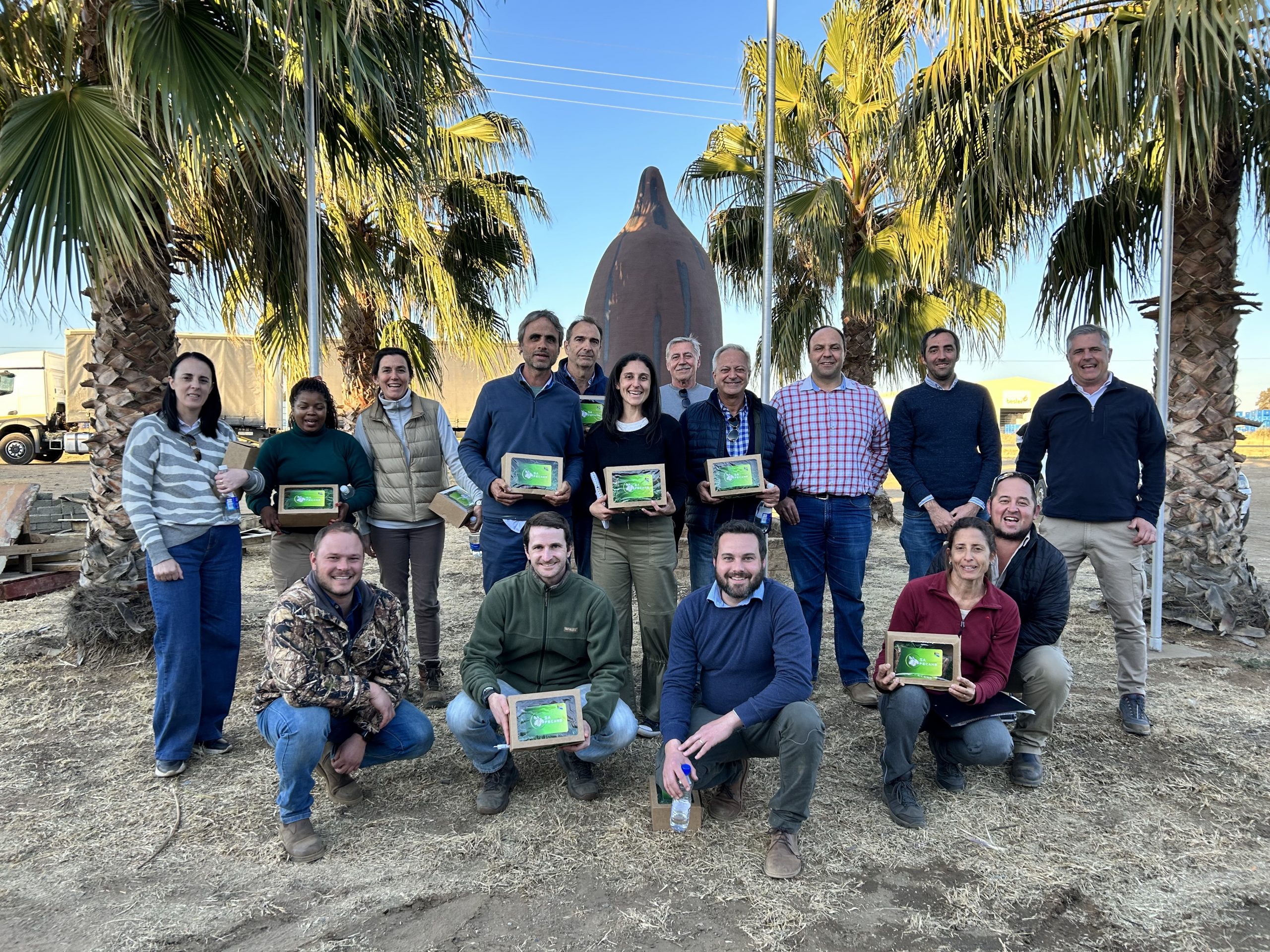
Argentine pecan delegation and SAPPA members at SA Pecan. (Photo courtesy of Nadia Venticinque)
In the following days, the delegation visited pecan producers of different scales and densities, including those involved in conventional and certified organic production. They also visited medium and large conditioning plants and held meetings with leading exporters in the Hartswater area. The Northern Cape has more than half of the planted area in South Africa and is the country’s primary pecan-growing region. Lastly, they met with renowned pecan disease management researcher Dr. Marais and his students at the Department of Plant Sciences in the University of the Free State. SAPPA’s General Manager, Cobus van Rensburg, and SAPPA’s Technical Manager, Hardus du Toit, were part of the visits during the trip.
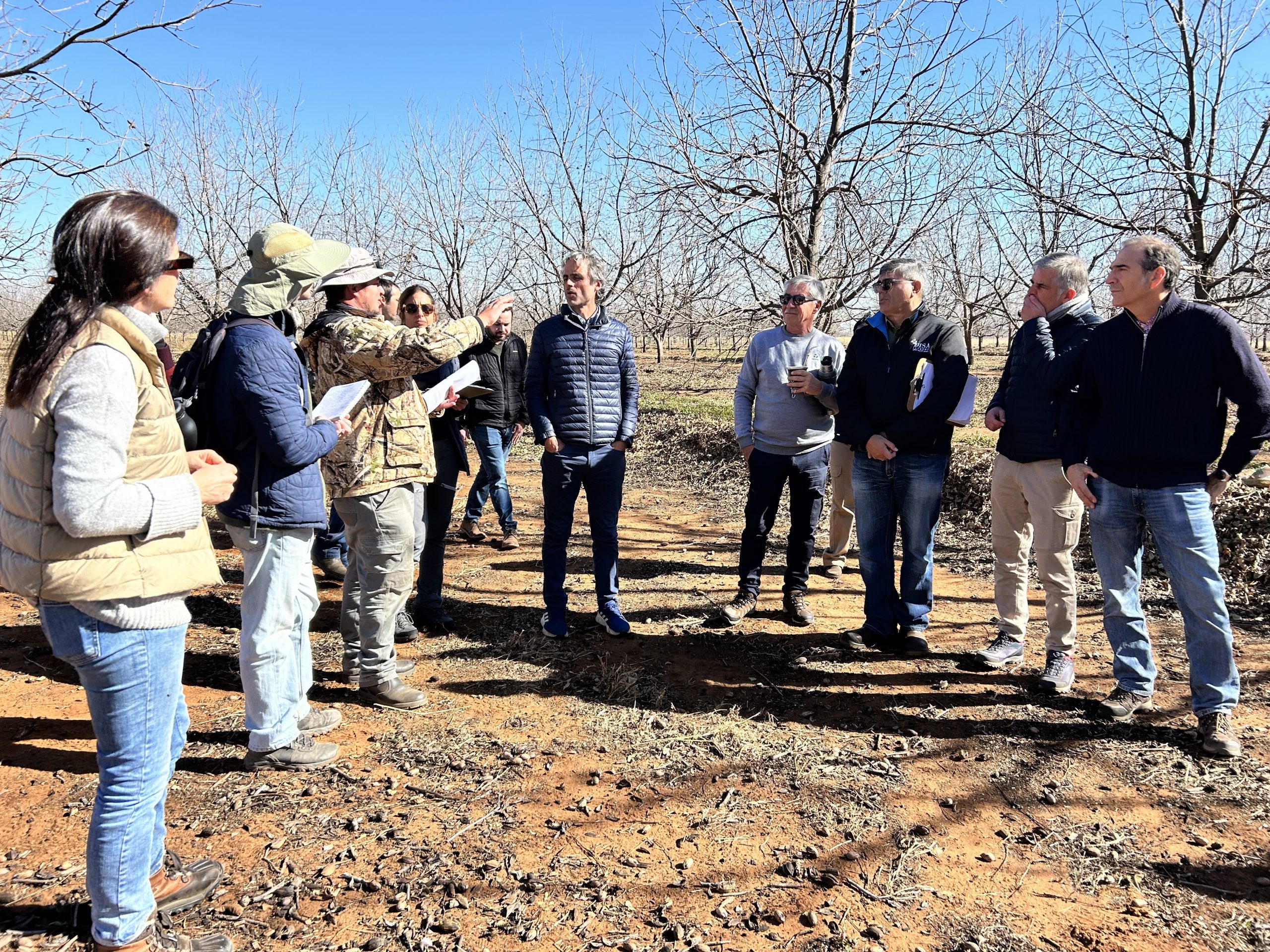
Cluster del Pecán visits pecan orchard, Wimpie du Toit, in Hartswater during the Argentine group’s visit to South Africa. (Photo courtesy of Cluster del Pecán)
This mission marks a significant milestone for the pecan sector, representing the first official encounter between Argentina and South Africa. While the dominant global players in pecans are the United States and Mexico (representing 90% of production), South Africa holds a prominent position in the Southern Hemisphere, both in production and commercial terms, with 45,000 hectares yielding an annual production of 30,000 tons. Argentina, a newer player with 10,000 hectares producing around 3,000 tons annually as of 2023, anticipates substantial growth in the coming years, aiming to reach 10,000 tons shortly and positioning itself as the second largest exporter in the Southern Hemisphere after South Africa.
This visit marked the beginning of a relationship of mutual knowledge exchange between both Associations, fostering the growth of its respective sectors and strengthening the position of Southern Hemisphere pecans in the international market.
