
How Adaptable is Your Financial Plan?
Responding to the economic downturn with strategy and resolve
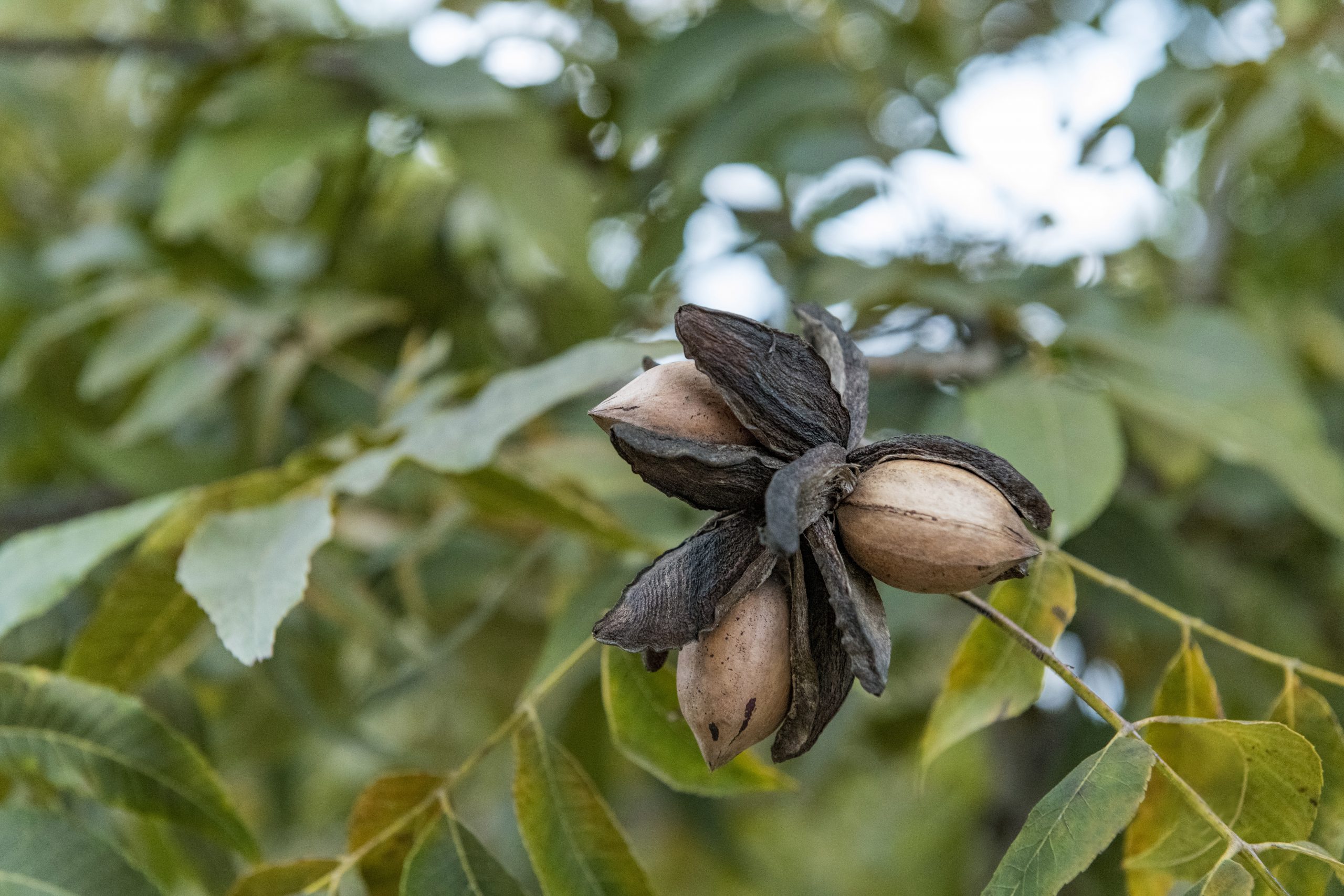
Anytime we find ourselves moving into an economic valley, it’s important not to panic and to stay focused on the things we can control. With sound marketing decisions and an adaptable financial plan, growers can leverage as much as possible out of 2024’s mostly average crop. It may be a while before you feel some economic relief, but here are a few measures that can improve your chances for success.
Expect unfavorable conditions and plan your finances accordingly.
In data published by the American Pecan Council in their latest monthly industry positioning report, released in late September, total inventory for the 2023-24 season is near its lowest point for the previous 5-year period, with total receipts trending in the same direction. There’s not much we can do about the state of the market. Still, you can adapt your financial plan to respond to external factors, like interest rate movement or unexpected weather events.
To earn a profit, you need a well-rounded understanding of the economics at play. Where do prices need to be to meet your expenses? It’s a good starting place to review your breakeven point for this year and project what it’s going to look like for next year. Obviously, commodity prices will change. This time of year, growers have to do the research—or work with trusted advisors who do—and make smart decisions about when to sell versus writing forward contracts. This can feel like a daunting task, but it helps to stay informed of trends and review all of your financial data, including residual expenses from 2023 and the total investment in your crop, factoring in storage fees you will incur if you wait to sell at a later date.
Having insight into your financial position is useful when margins are tight. The only way to benefit your bottom line is to keep your eyes on the market and stay informed so you’re ready to make sound decisions quickly.
Evaluate your cash position so you can adapt your financial plan.
Cash is critically important to your operation, particularly in the current market with declining income and credit capacity. Managing your cash and exploring opportunities to leverage it to its maximum benefit is perhaps the most important thing for pecan growers to focus on this year.
Paying for operational expenses with cash will always offer the best discount because you avoid interest expense, but cash is also a valuable commodity that could benefit your operation in many ways. So, you need to do the research to weigh the opportunity cost of spending versus preserving cash and shopping around for financing offers that could better support your cash flow needs. For example, financing herbicide costs with a line of credit that’s met with fall due dates and aligned to your crop schedule could free up cash to help cover labor expenses or support growth endeavors like buying or leasing additional acres. With an interest rate of less than 5% APR, you could pay for herbicide applications and only incur nominal interest expense. This strategy then enables you to leverage your cash and potentially open up a few new doors that might otherwise be closed.
Ideally, growers need to find the right mix of cash, pre-pay, and financing options to support operational needs. This combination can help maximize cash flow and ensures you are using your cash in ways that provide the biggest benefit to your orchard.
Post-harvest, it’s time to ask the tough questions.
Many growers have a forward-looking view and already have 2025’s crop and financial plans in motion, but the end of the year is a good time to ask yourself some big-picture questions to build a 360-degree view of your operation and start crafting plans for what success might look like next year.
This includes evaluating options for growth, building contingency plans, and considering your credit position and the percentage of your financial needs that are accessible via credit. Having this outlook is really crucial this year, given the state of the credit market and the reality that lenders may be more conservative when covering the majority of farm expenses. Asking these questions will improve your ability to plan and align the economic and agronomic corners of your operations, which can help guarantee success in 2025.
The silver lining…
There have been many challenges this year. The hope is that you’ve been smart with your profits and have a financial safety net that can help sustain your operation through this valley.
2024 certainly isn’t the year many anticipated, and talking with pecan growers across the country, you probably aren’t going to hear optimistic outlooks for 2025, but we’ve been here before and there are still reasons to be hopeful. Trees will continue growing next year, and the good news is that in 2024, we’ve never had as many options as we do today to make better decisions and plan for long-term success.
