
2021 Marketing Guide —October issue

Published from September through November, Pecan South‘s Marketing Guide provides a list of pecan buyers from across the industry who are looking to purchase nuts from the 2021 crop.
Read MoreOn-Farm Recharge on orchard replenishes groundwater
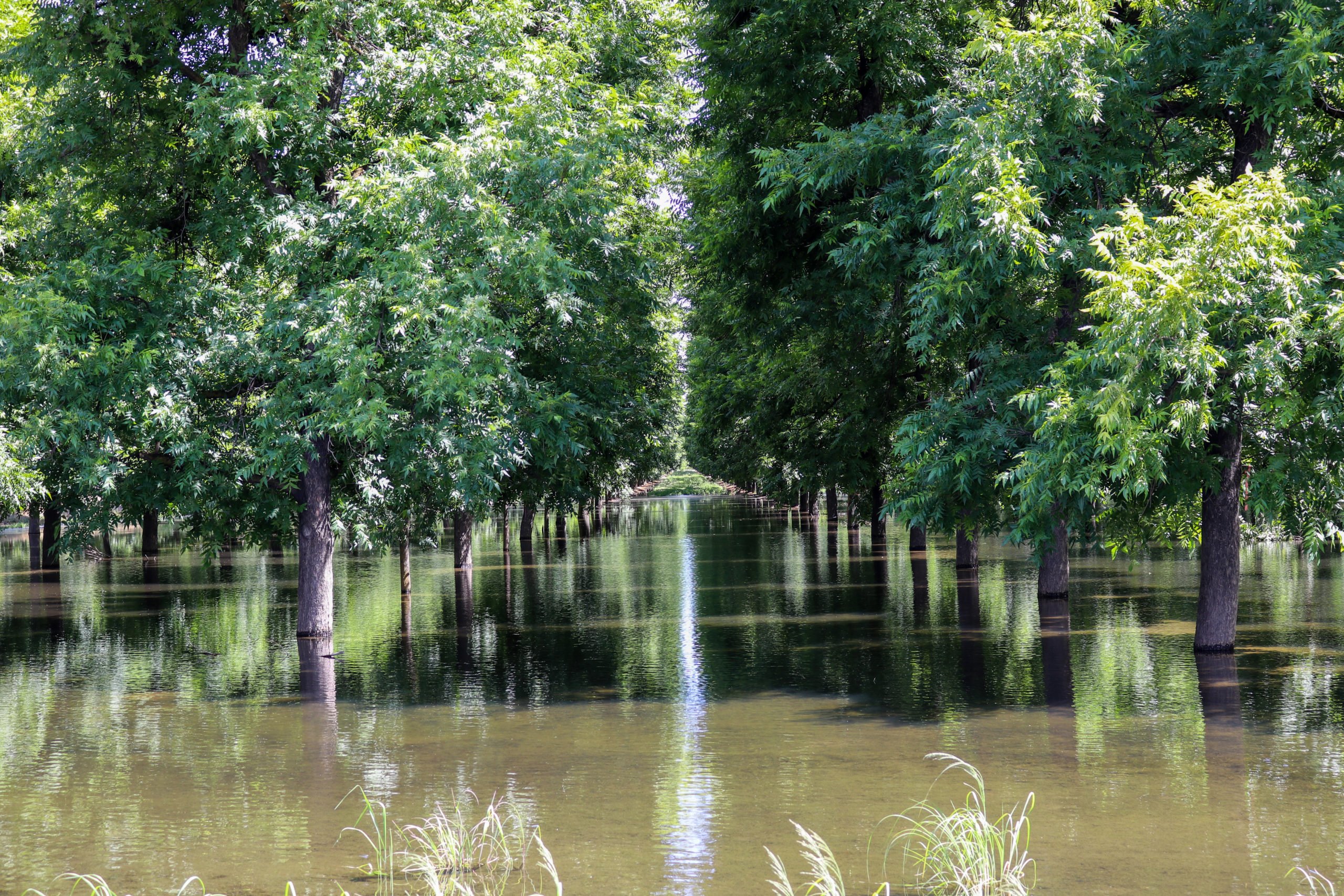
On-farm recharge is the application of available surface water to farmlands during wet years to recharge and store water in underlying aquifers for future use. Pecan orchards are especially suited to on-farm recharge because pecans are a facultative upland species able to tolerate saturated soils post-dormancy. We conducted an on-farm recharge (OFR) demonstration study on…
Read MoreLetter from the editor: Harvest Photo Contest

Dear readers, Across the United States and Mexico, producers shake trees, collect pecans, and prepare for a new crop. Shellers and buyers scour the market and make contracts, while retailers look to fill their inventories before the holiday season. With harvest now in full swing, Pecan South kicks off our annual Harvest Photo Contest. For…
Read MoreSouth Georgia Pecan Co. agrees to process FICO pecans

SAHUARITA, Ariz.—Farmers Investment Co (FICO) and South Georgia Pecan Company announced on Sept. 9 that they have entered into an agreement for FICO to sell its inshell pecans to South Georgia Pecan for processing. This agreement comes after FICO announced it is closing its pecan processing operations effective December 31, 2021. FICO will continue to…
Read More2021 Crop Estimates

Here are the 2021 crop estimates as predicted at the Texas Pecan Growers Conference, National Pecan Shellers Association annual meeting, and the USDA NASS Crop Production report, which shows utilized production for the 2020 crop. Please note that the USDA released its annual production report for 2020 in May and only publishes data for the…
Read MoreAmerican Pecans in China — a growing history

Building on our domestic success From the start of our Federal Marketing Order, the American Pecan Council has been working to grow domestic awareness and support to increase demand for American Pecans, including the official consumer-facing brand, American Pecans, which successfully launched in spring 2018. From our brand launch pop-up shop in New York City…
Read MoreThe importance of pecan rootstocks for semi-arid regions

Why are rootstocks necessary in pecan? The answer to this question is that they actually aren’t necessary at all. Pecan trees can be grown from seed and planted without grafting. Without grafting you don’t have a rootstock per se. The catch, though, with ungrafted seedling pecan trees is you don’t know exactly what you’re going…
Read MorePecan weevils’ local movement in an orchard

Pecan weevils are sustained solely by the energy derived from their host, i.e., pecan and hickory nuts, so we should expect them to be experts in finding nuts. To begin to find nuts, adult weevils must move to the host tree canopy (after emerging from the soil) by flying or crawling. Those that take flight…
Read MoreSeptember 2021 Advertisers
Pecan South September 2021 advertisers share their products and services between the pages of this issue. Below, we present a full list of our September 2021 advertisers and their contact information.
Read More2021 Marketing Guide —September issue
Published from September through November, Pecan South‘s Marketing Guide provides a list of pecan buyers from across the industry who are looking to purchase nuts from the 2021 crop.
Read MoreSeptember 2021 Classifieds

The September 2021 Classifieds feature available equipment, property, trees, services, and more from industry members. These classifieds can also be viewed at the back of the September 2021 issue.
Read MoreInsight into alternate bearing — do carbohydrates drive it?
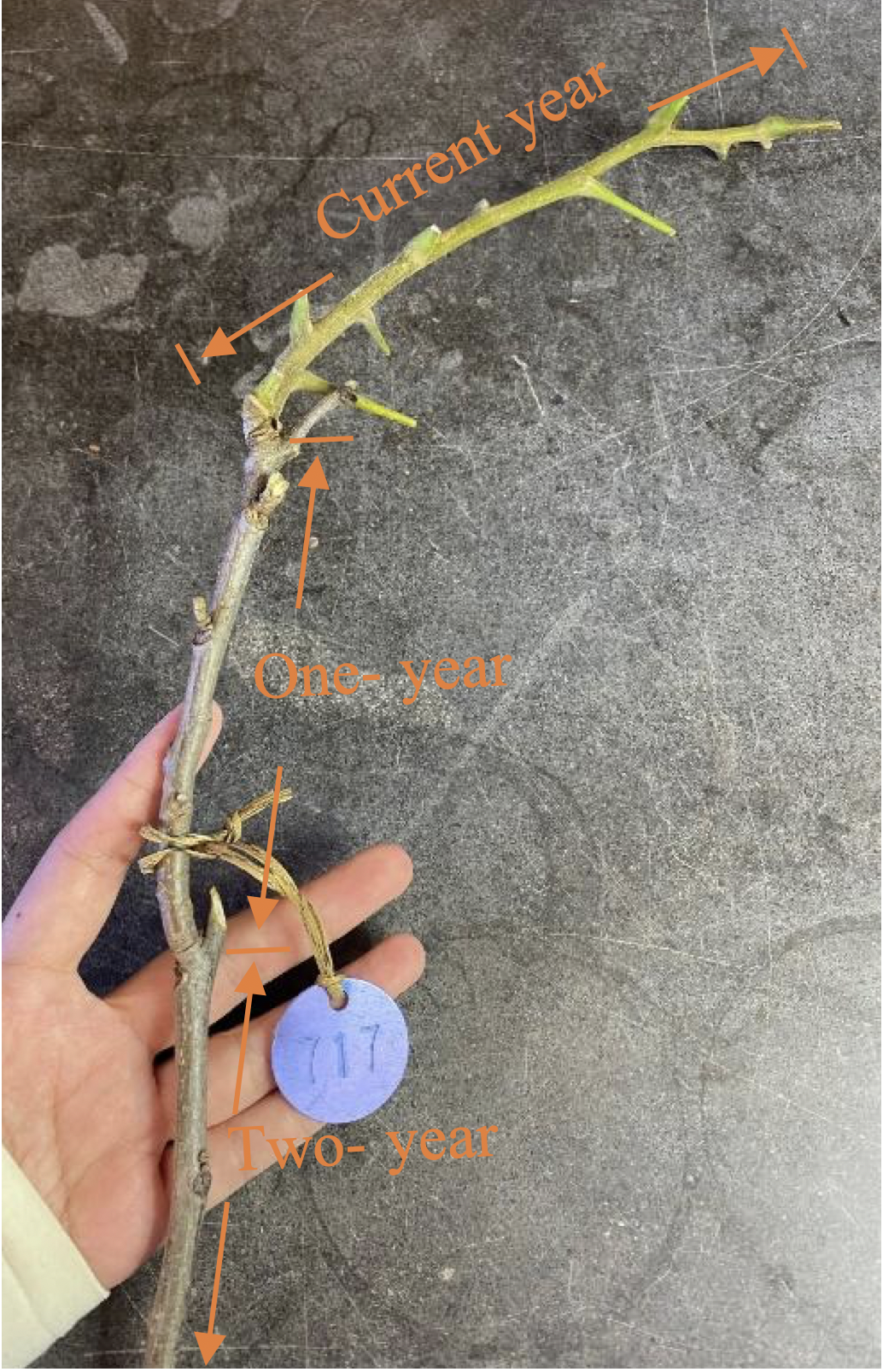
The alternate bearing of pecan shows a symptom of irregular fruiting habit with one heavy crop followed by one or more years of poor production. The alternate bearing (one ‘on’ year, one ‘off’ year) trait in pecan is also sometimes referred to as “masting” (one ‘on’ year followed by two or more ‘off’ years), which…
Read MoreLetter from the Editor: The Pecan Newsletter is back
Dear Readers, Harvest is here. Once again, the pecan industry prepares to face this challenge head-on. Some growers in the central and southeastern regions will begin shaking trees and collecting early varieties in the next few weeks. Other producers, like those in the West, still have a while to go before they can harvest their…
Read MoreDon’t trip near the finish line

The Olympic Games come into our lives every four years, bringing stories of triumph and heartbreak. I’m always impressed with the dedication of talented athletes who set aside living a normal life, sacrificing socially and financially for the chance to win a medal and have their names etched in history’s record books. While some achieve…
Read MoreAmerican Pecan Promotion Board (APPB) members appointed by USDA
The U.S. Department of Agriculture on Aug. 31 announced 17 appointees as members of the new American Pecan Promotion Board (APPB). The newly appointed members will serve two, three, and four-year terms. Ten producers and seven importers make up the 17-member board. The 10 producer members will be allocated between three regions within the United…
Read MorePecan growers vote to keep the FMO, USDA announces

The U.S. Department of Agriculture (USDA) announced on Aug. 31 at the American Pecan Council annual meeting that eligible pecan growers voted to uphold the Federal Marketing Order (FMO) in the referendum. Because of this decision, the American Pecan Council will continue to be authorized by the FMO to regulate the handling of pecans, build…
Read MoreJuly 2021 Position Report shows declining inventory, steady exports
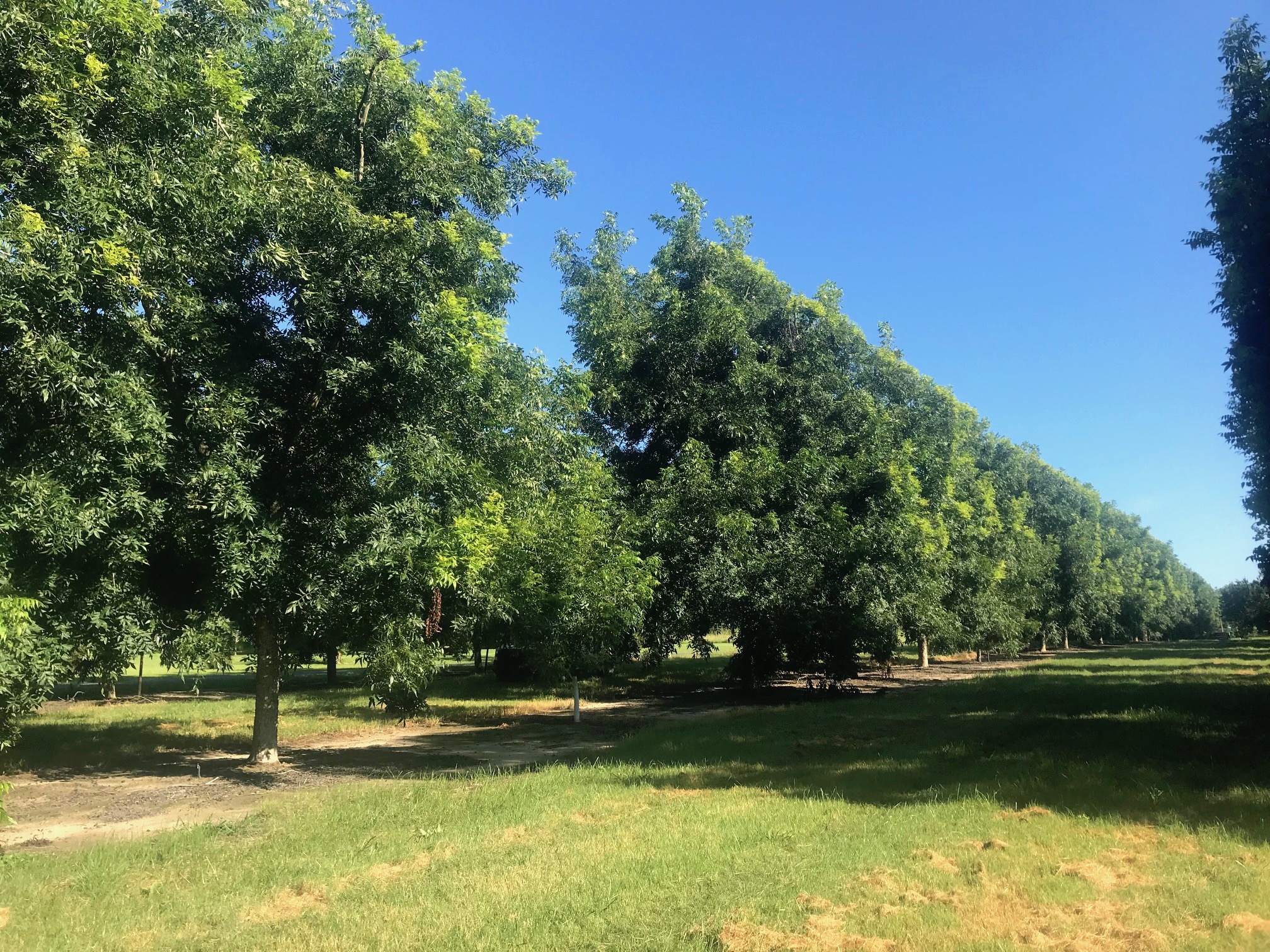
Giving insight into U.S. handlers’ recent movements, the American Pecan Council published its July 2021 Pecan Industry Position Report at the end of August. This report provided data on pecan exports, inventory, and availability for the current crop year while hinting at the state of the pecan market. The Federal Marketing Order requires U.S. handlers…
Read MoreLate-season water demand: how much is enough?

Pecans are considered a high water-use crop, and pecan’s water demand peaks during the kernel filling stage, which occurs from mid-August through mid-September. In Georgia, we recommend 3,600 to 4,000 gallons per acre per day for trees bearing a commercial crop during this critical period. We are fortunate in the Southeast that rainfall contributes to…
Read MoreOrganic control of pecan diseases—pecan scab

Summary: Scab is potentially the most severe limiting factor for growers wishing to produce organic pecans. The most effective organic-compatible approach for controlling scab is to use resistant pecan cultivars. Among eight organic fungicides tested in parallel, Regalia®, was the most effective in reducing pecan scab severity. Bordeaux mixture also shows some promise in scab…
Read MoreReaching consumers through credentialed wellness professionals

A key audience the American Pecan Council has identified and been pleased to gain inroads into is the world of credentialed health and wellness professionals (registered dietitian nutritionists, physicians, nurses, fitness professionals, etc.). This community of highly engaged and influential individuals is passionate about promoting holistic, healthy living and educating those who look to them…
Read MoreTax-free money? Yes, please!

I hate paying taxes. Now do not get me wrong, I am a proud American business owner, and I dutifully pay my share of taxes each year. I am honored to do so, but I also work extremely hard to shave the tax bill every chance I get. What if I said, prepaying your taxes…
Read MoreThe Crop Corner August 2021

The Crop Corner provides seasonal updates for readers on pecans throughout the industry and continues in Pecan South’s August 2021 magazine. The Crop Corner will be taking a break as The Pecan Newsletter starts on September 10, 2021. Created and published by Pecan South editors, The Pecan Newsletter provides weekly harvest and market updates from…
Read MoreGet to know your soil and your soil health
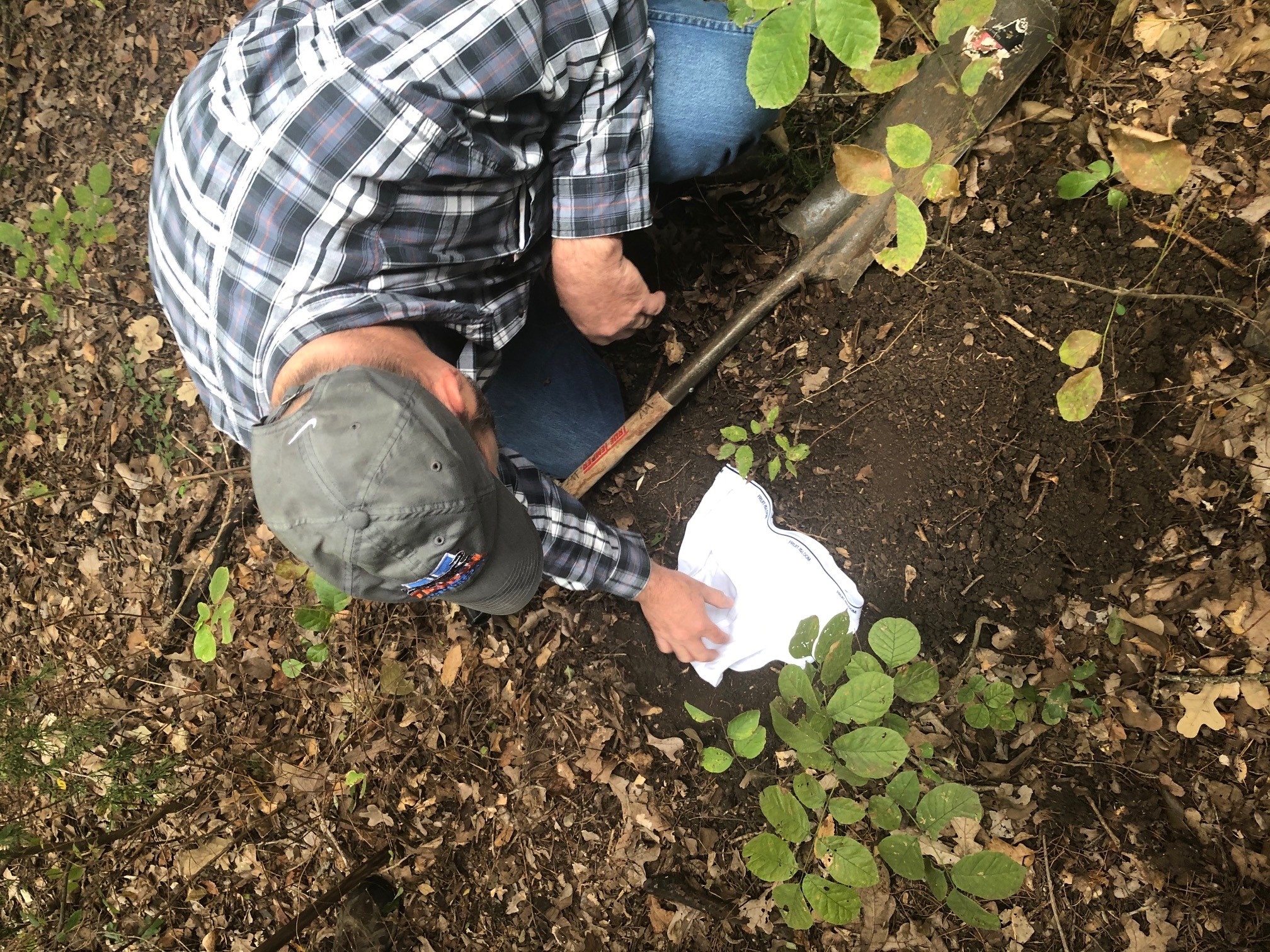
We all know the importance of monitoring and scouting pecan trees. We spend countless hours each year going through the orchards scouting for disease, insects, nutrient deficiencies, and other issues. In fact, many producers can tell me about each tree without looking at a map or plot plan of the orchard. You can easily recite…
Read MoreThe Beginning of Modern Pecan Culture

Ever since learning of the history of the pecan, I have been fascinated by the story of the first successful propagation. This grafting was accomplished by a man named Antoine, who was enslaved at Oak Alley Plantation in St. James Parish, Louisiana. I have long been interested in learning whether the product of this successful…
Read More