
Understanding Soil and Root Microbes to Improve Pecan Tree Health
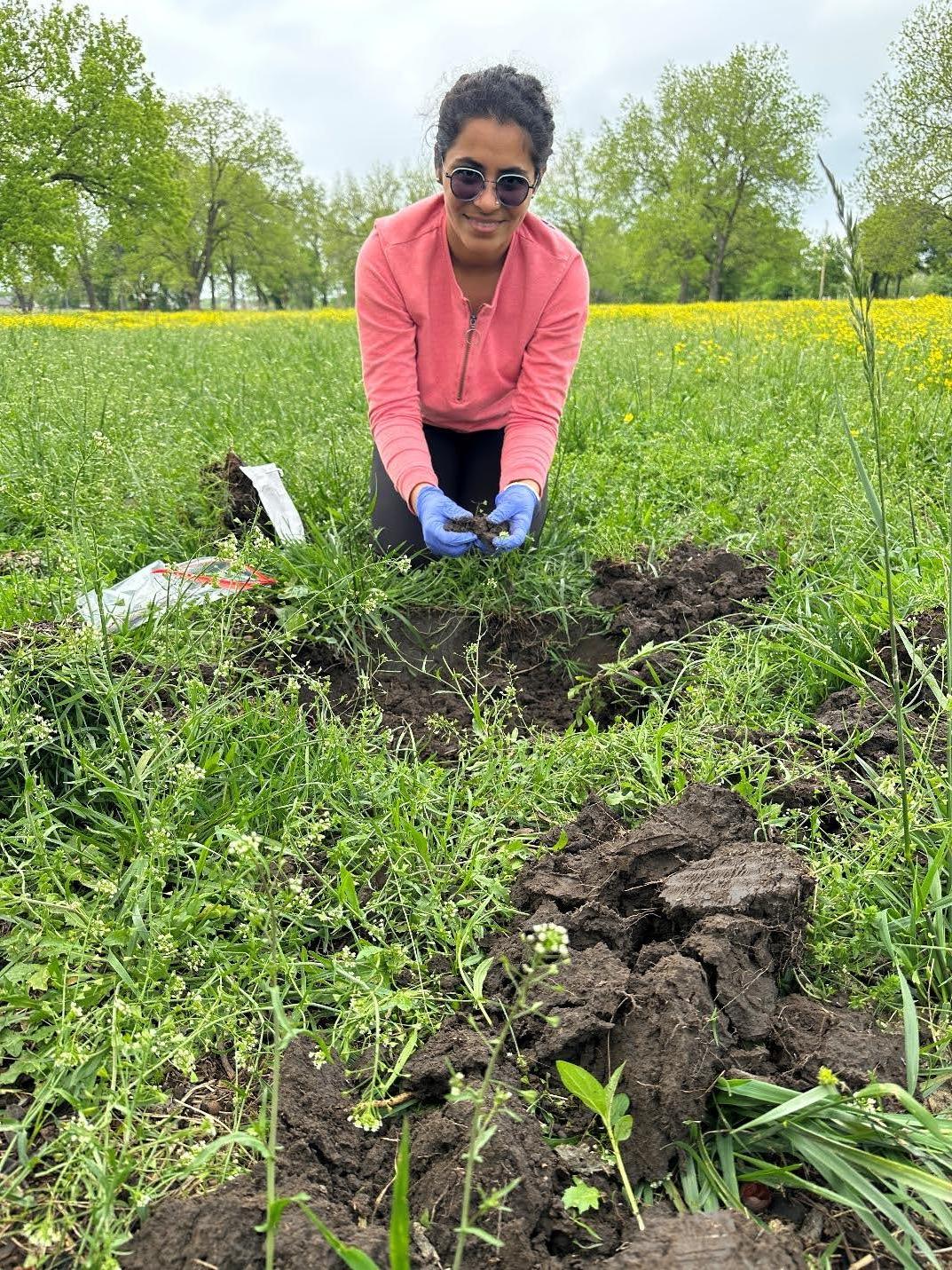
Pecan trees are long-living, deep-rooted giants of the orchard. Their success doesn’t depend only on sunshine, water, and fertilizer—it also relies on an underground community of tiny, invisible partners: microbes. These partners include fungi and bacteria that live in and around the tree’s roots (the “rhizosphere”), helping pecans absorb nutrients and water, withstand stress, and…
Read MoreIn the Right Direction
Recently, at the Texas Pecan Growers Conference, I had the privilege of visiting with several producers about regenerative or soil-centric management. During several of these discussions, the same comments came up several times. I heard how many of these producers had stopped or reduced the number of chemical sprays and fertilizer applications they had traditionally…
Read MorePreserving Texas’ Pecan Legacy Part 3—Pressing Forward

The Texas state pecan show is an annual event that has declared a grand champion, best-in-the-state pecan every year since 1950 when the Texas Pecan Growers Association formalized a competitive judging process. It is testimony that “hope springs eternal” in the pecan business! Pecan shows have happened annually because pecan crops are produced every year…
Read MoreAPPB Hits the Road with a Retail Tailgate Campaign

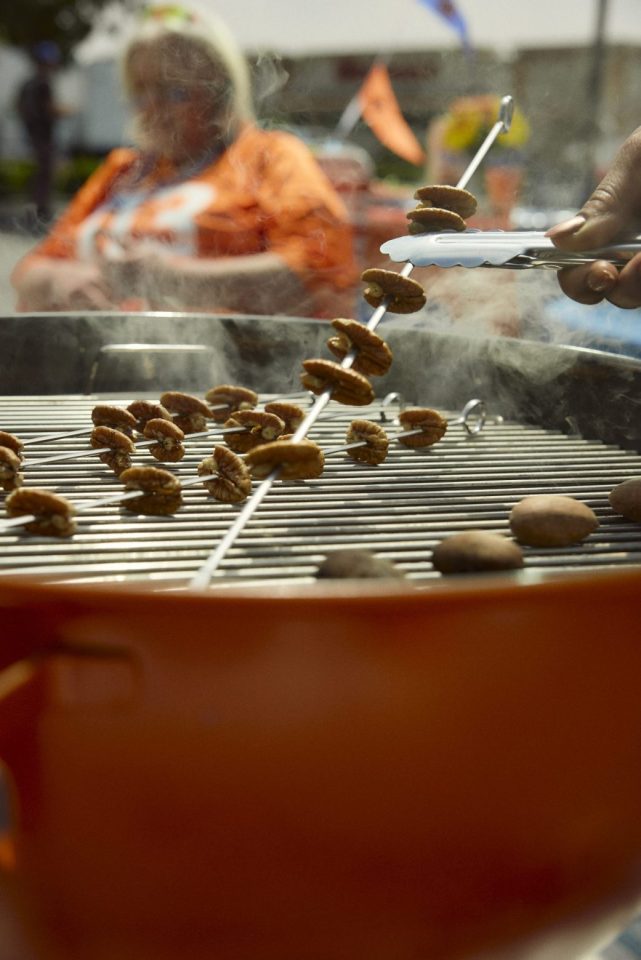
This fall, the American Pecan Promotion Board is bringing the tailgate to the grocery store parking lot in a bold new retail initiative that celebrates two key seasonal moments: back-to-school and football season. Inspired by the new creative video spot and the golden rule to never grocery shop hungry, the campaign is designed to capture…
Read MoreSeptember 2025 Advertisers
American Pecan Promotion Board, 817-916-0020 Bag Supply Company, 800-722-5790 Bergen Ag Innovations, Inc. , +1 432-788-4600 Big Star Hardware Durand-Wayland, 706-882-8161 Eastern Plains Insurance Corp. 1-800-748-2825 Exact Corp, 209-544-8600 Flory Industries, 209-545-1167 Gearmore, 909-548-4848 Georgia Pecan Nursery, 678-428-0244 Gillison’s Variety Fabrication Inc. 231-882-5921 Gulf Coast Bags Holiday Tins, 1-800-644-8856 Huma McIntyre Insurance Agency, Heartland Crop Insurance Modern Electronics and Equipment, 318-872-4764…
Read MoreClassifieds

The September 2025 Classifieds features available equipment, property, trees, services, and more from industry members. These classifieds can also be viewed at the back of the September 2025 issue.
Read MoreTexas Pecan Growers Association Conference & Trade Show

The Texas Pecan Growers Association hosted a successful multi-day conference in Denton, Texas, bringing together growers, industry professionals, researchers, and exhibitors for a packed schedule of events. The conference officially kicked off with board meetings and trade show setup, followed by a lively grand opening reception that featured fundraising activities, including a raffle and silent…
Read MoreArizona Pecan Growers Association Conference and Trade Show
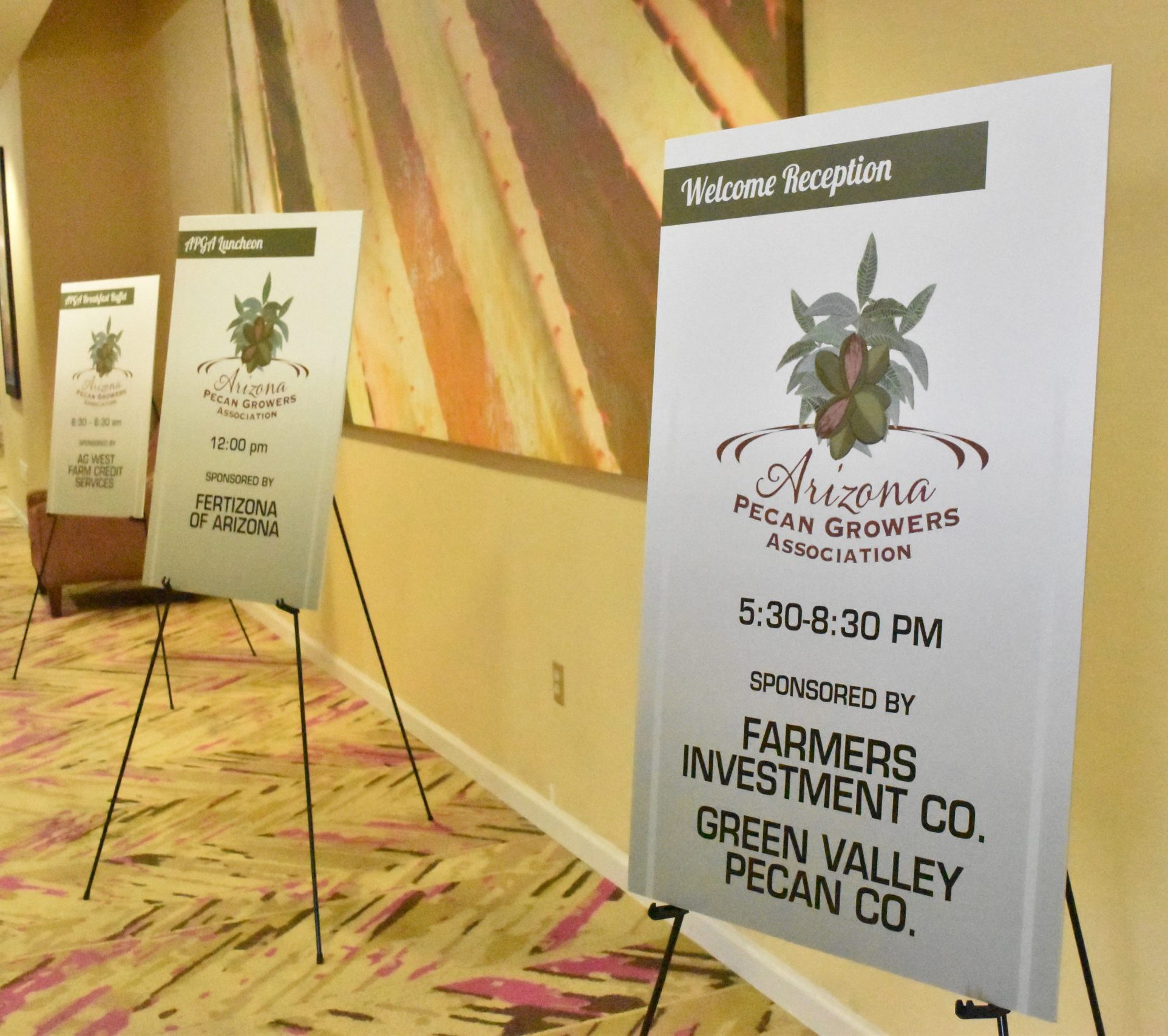
The Annual Arizona Pecan Growers Association Conference and Trade Show in Tucson saw strong attendance and featured a range of educational presentations, vendor demonstrations, and networking opportunities for those involved in the pecan industry. Attendees engaged with experts and researchers discussing current trends, pest management, climate impacts, water use, and international production outlooks.
Read MoreUnderstanding Pecan Hurricane Risk
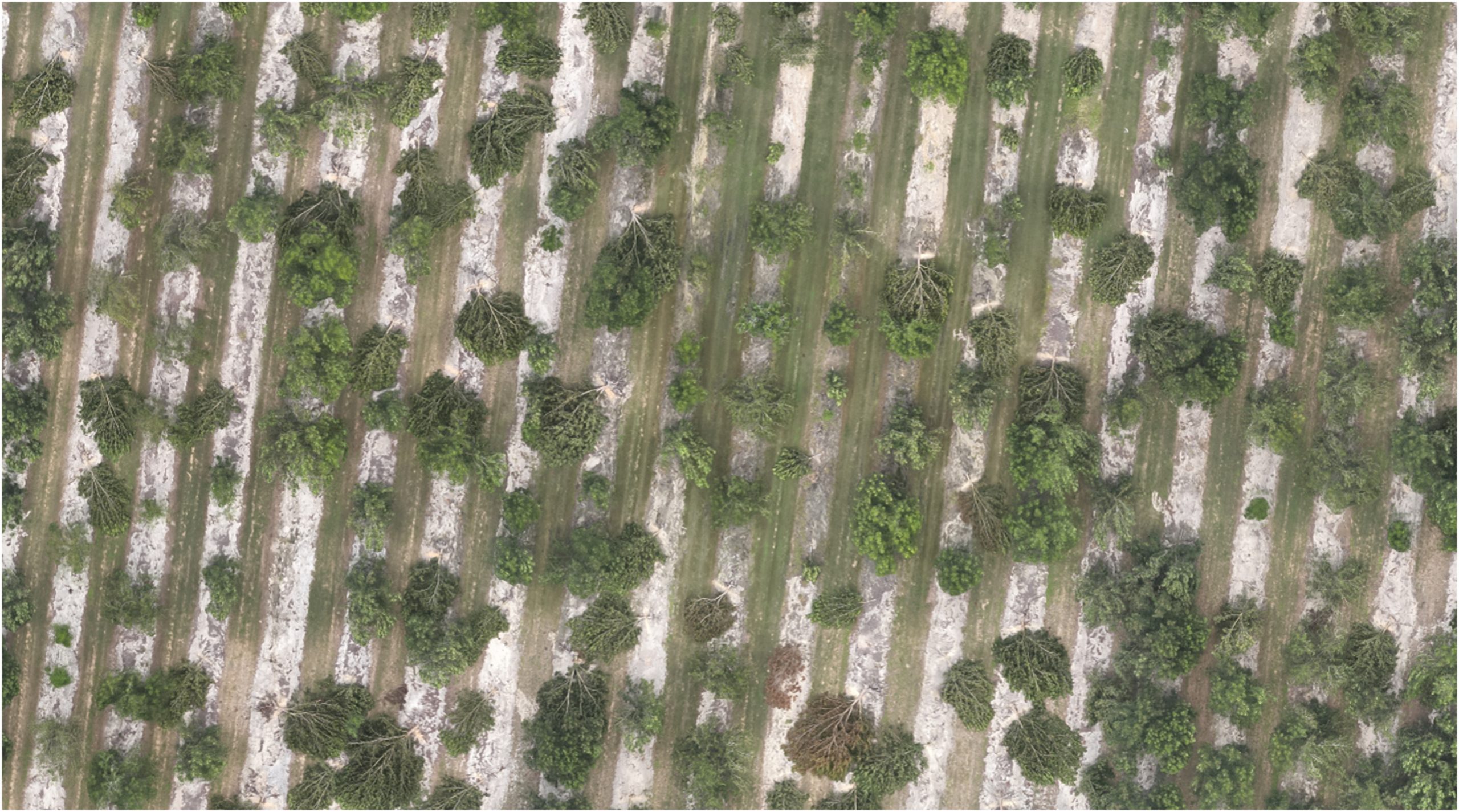
The southeastern U.S. pecan industry is no stranger to hurricanes. These storms have been one of the challenges of growing pecans here since the industry’s inception in the late 1800’s. Each of the Southeastern states have been dealt their own individual blows, and some of them have received many such blows. Hurricane Camille was notoriously…
Read MoreThe Returns to On-Farm Shredding
In our second article of this series, we explored the economics of on-farm hedging or pruning. We applied capital budgeting to evaluate the economic viability of investing in a mechanical hedger. This analysis allowed us to understand the potential returns associated with investing in hedging equipment. In this article, we turn our attention to the…
Read MoreAugust 2025 Letter From the Editor

It’s been a packed summer, and we’re all in it together. After attending both the Tristate Pecanference and the Texas Pecan Growers Association Conference and Trade Show, we’ve heard from great folks and seen early crop estimates rolling in. Check out the table below and tell us, what’s your crop looking like?
Read MoreThe Emerging Faces of Pecan Leaf Spots Outside of the United States and Implications for American Pecan Production Systems
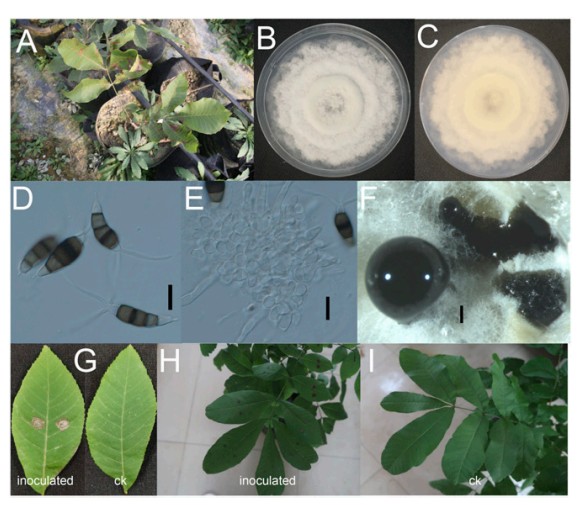
Introduction Leaf spots on pecans are known to come in different forms and shapes. The more common spot diseases known to occur in the US pecan production landscape are pecan brown spot caused by Cercospora fusca, Gnomonia leaf spot caused by Gnomonia nerviseda (or G. dispora), downy spot caused by Mycosphaerella caryigena, zonate leaf spot…
Read MoreLate-Season Pecan Pest Management

Late-season pecan pest management generally concerns multiple pest species, each capable of causing economic damage. During the early to mid-season, most of these pests remain below economic thresholds or, as in the case of the pecan weevil, are not present. Except for the pecan nut casebearer (PNC) in Texas and westward from there, early to…
Read MoreThe USDA ARS Pecan Breeding and Genetics Program is requesting participation in a survey for research focusing on Pecan Bacterial Leaf Scorch (PBLS) Disease!

Pecan Bacterial Leaf Scorch, or PBLS, is an agriculturally significant disease of pecan. Unlike other damaging diseases that are more geographically isolated, such as pecan scab, PBLS is widespread across the entire pecan industry. The disease has been positively diagnosed in pecan orchards located in California, Arizona, New Mexico, Texas, Louisiana, and Georgia. The disease…
Read MorePreserving Texas’ Pecan Legacy Part 2

The foundation of Texas’ pecan legacy is its vast presence of native pecan trees, yet as we noted in Part 1 of this series, Texas steadily transitioned to a predominantly improved pecan producing state from the 1950’s onward. Unreliable native market prices and the appeal of large and bright, improved pecan kernels for the high-priced…
Read MoreDigital Momentum: How APPB is Elevating the Pecan Industry Online
In an increasingly digital world, visibility and accessibility are key to growth, and the American Pecan Promotion Board is taking strategic steps to ensure the pecan industry is not only keeping up but leading the way. Our latest initiatives aim to strengthen the industry’s digital presence and bring the power of pecans to more consumers,…
Read MoreWhy we Want ALL your Weevils

You may have noticed in previous issues of Pecan South an “advertisement” towards the back of the magazine asking for “ALL your weevils”. (If you haven’t, we have included the same advertisement here.) This article will explain why we want your weevils and how it will benefit pecan growers across the south.
Read MoreHitching Our Wagon to Pecans
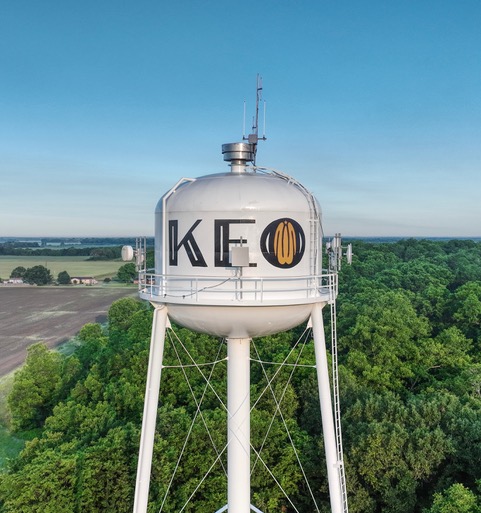
In the last couple years, Keo has leaned all the way in. We’ve declared ourselves the Pecan Capital of Arkansas, and we’ve rebranded our annual winter gathering as the Arkansas Pecan Festival. But this isn’t just about throwing a party—it’s a strategy for community revitalization. Sure, we’ve got pies—Charlotte’s classic pecan pie and her now-famous Governor’s Pie, a…
Read MoreClassifieds- August 2025
The August 2025 Classifieds features available equipment, property, trees, services, and more from industry members. These classifieds can also be viewed at the back of the August 2025 issue.
Read MoreTri-State Pecanference
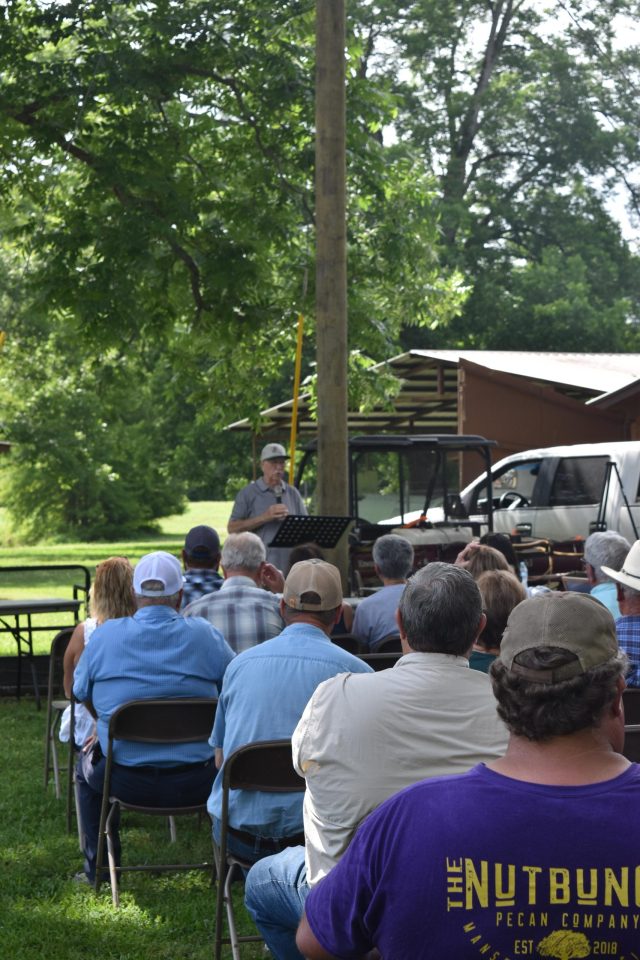
A lively crowd gathered for the Tri-State Conference in Natchez, MS. Orchard tours in Faraday, LA kicked things off, followed by the first-ever Pecan Crack-Off Contest and a pecan truffle dog demonstration. The next day was packed with educational sessions, interactive presentations, marketing updates, and open discussions on what matters most to pecan growers and…
Read MorePreserving Texas’ Pecan Legacy Part 1

Legacy is defined as “something transmitted by or received from an ancestor or predecessor or from the past” (https://www.merriam-webster.com/dictionary/legacy). Legacies are often thought of as valuable, important, and worthwhile to hold or remember, even if they include hurt, loss, and sorrow. Unlike cotton, corn, and wheat industries that can vanish from the land forever in…
Read MoreA Bright Future Ahead: The USDA NIFA SCRI “Trees for the Future” Grant
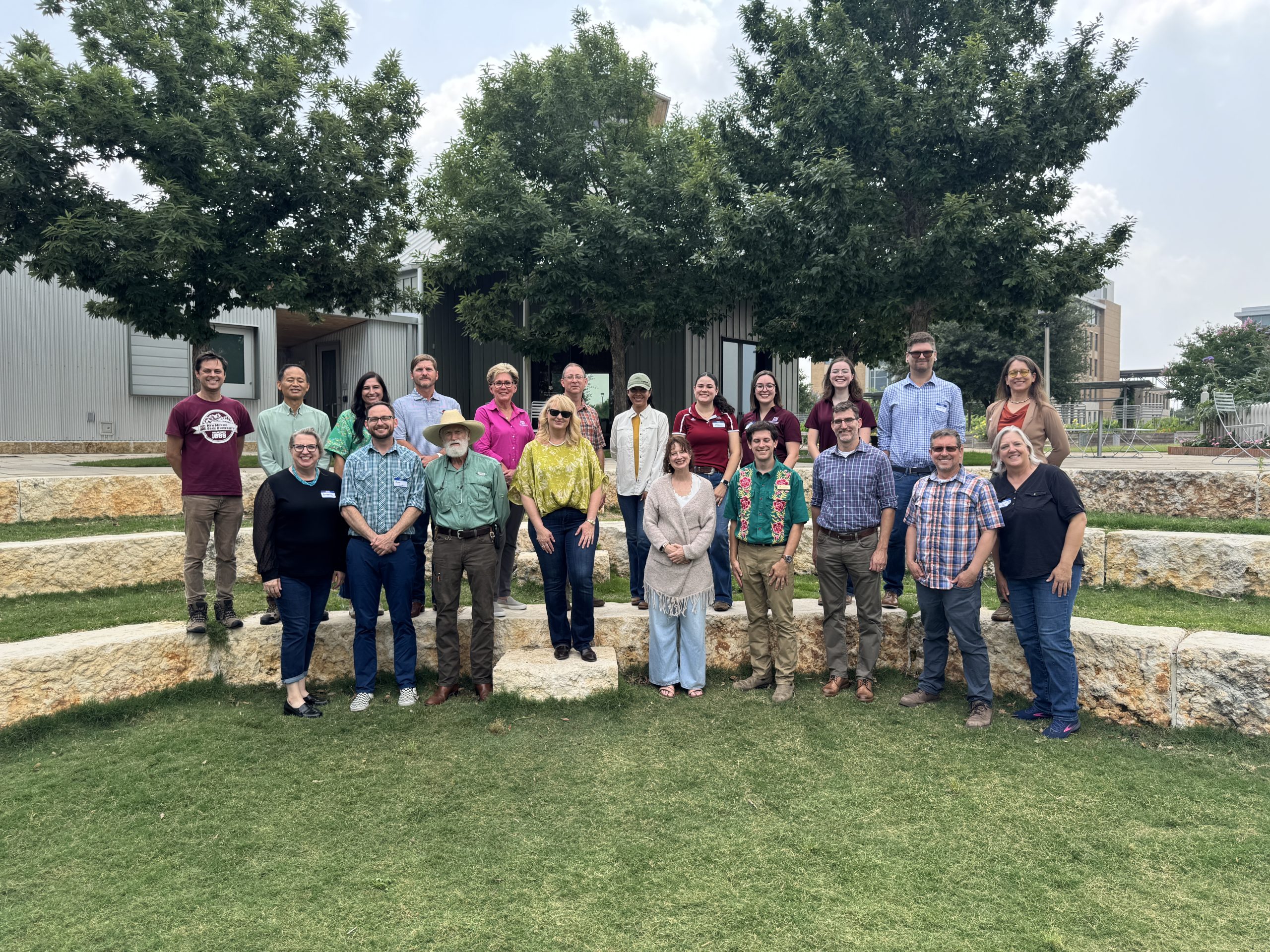
Pecan trees are native to a vast range—from Oaxaca, Mexico to Illinois, USA. This wide native range means that pecans are exposed to a variety of environmental and ecological conditions, presenting unique and veritably challenging issues for growers across different regions. Thus, it is increasingly important for growers to select resilient pecan varieties that will…
Read MoreUpdates on the Texas Statewide Pecan Nut Casebearer Monitoring Program

History of Texas Pecan Nut Casebearer (PNC) Monitoring Program Sharing information to predict when to manage PNC is not a new concept. Growers have often used word of mouth to determine when they can expect to see flights in their area. The emergence of PNC in Texas often follows a South to North emergence pattern,…
Read MoreSoil Organic Matter Endgame: Increasing Humus
As I write this article, I am attending the Oklahoma Pecan Growers Conference in Glenpool, OK. Unfortunately, we had to cancel the field day due to excessive rainfall, but I guess that provides me with a little extra time to work on this article. During the conference, the application of humates and humic acid was…
Read More